
Responsible stewardship of resources
Tres Cruces is founded on the principle that responsible lithium development must balance resource production with long-term environmental and social outcomes. From project design through permitting and operations, we are committed to responsible water management, environmental protection and sustainable community development.
Environmental management program
Tres Cruces is committed to implementing a comprehensive Environmental Management Program designed to ensure responsible resource development and long-term environmental stewardship. The program is aligned with internationally recognised standards and best practices, incorporating robust systems for environmental monitoring, risk management, compliance, and continuous improvement.
We work collaboratively with government authorities, technical experts, local communities and other stakeholders to ensure transparent decision-making, effective environmental management and the protection of the surrounding ecosystem throughout the project lifecycle.
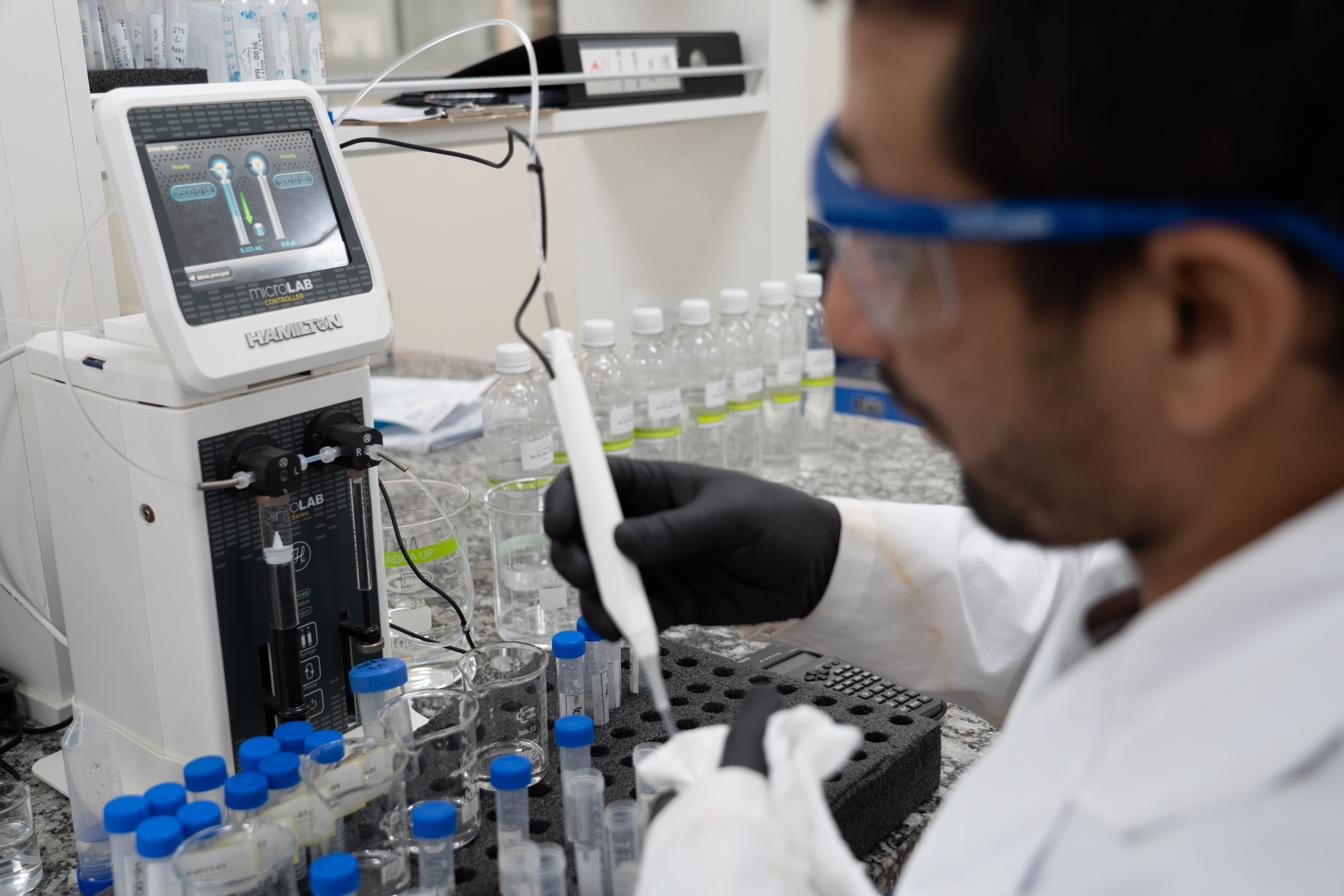
Water management
Water stewardship is central to Tres Cruces' design.
The project's freshwater supply is located within a separate water basin from the sources used by local communities, providing a natural separation that safeguards community water access and supports responsible water management throughout the project lifecycle.
The project targets fresh water consumption of 9 cubic metres per tonne of lithium carbonate produced which is among the lowest intensities of any lithium brine project in operation or development.
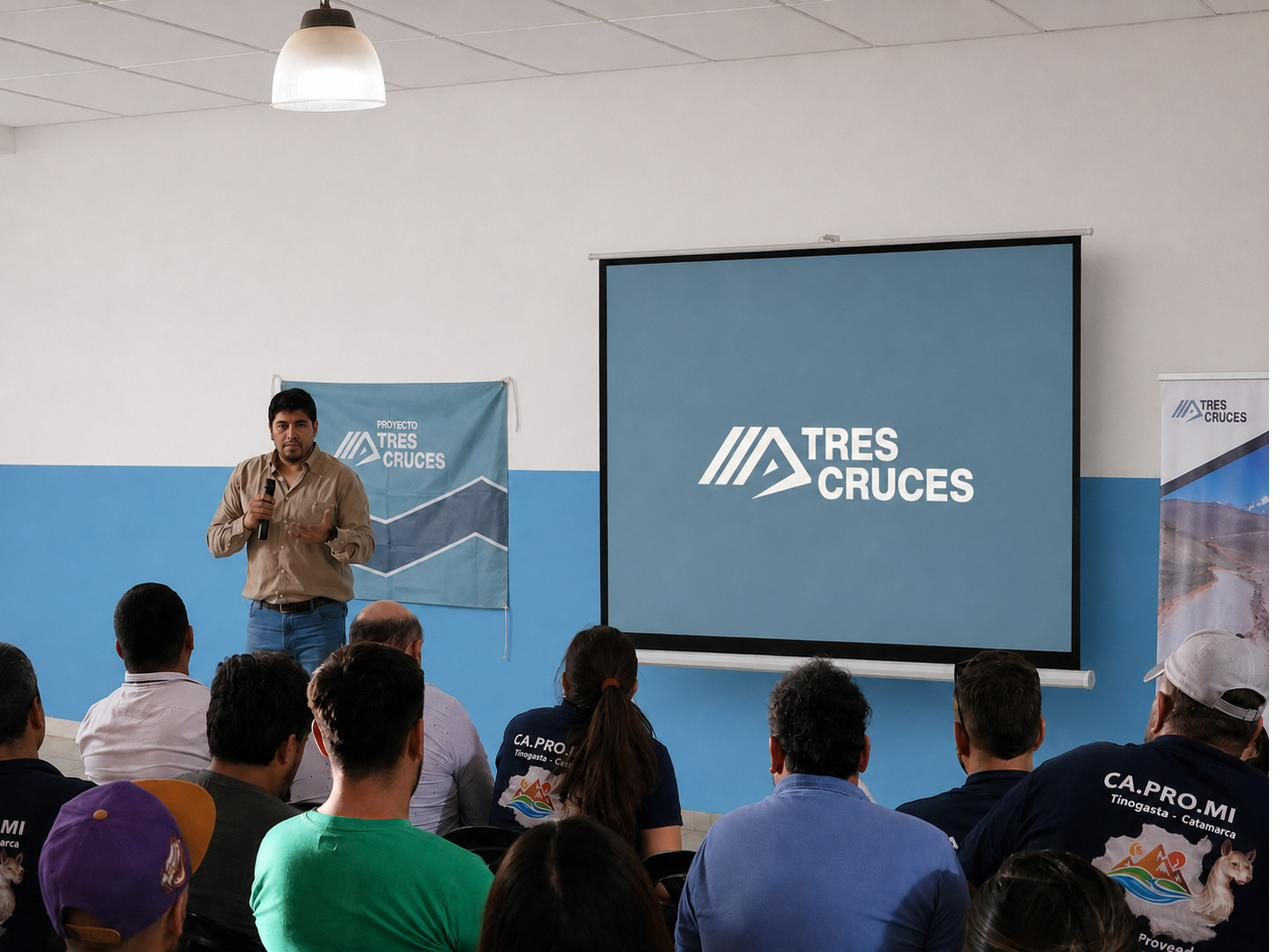
Our local community
The project team is committed to clear and continuous communication with the local communities of Catamarca, Tinogasta and Fiambalá districts.
A minimum 70% local employment target, in line with government requirements, means the majority of the 400 direct and 1,000 indirect roles the project creates will be filled from Catamarca Province.
Local initiatives
In partnership with our local stakeholders we have identified three key areas to support in the communities surrounding our operations.
Cultural heritage and economic empowerment
We support cultural heritage and economic empowerment by profiling more than 60 local artists and artisans and improving their visibility to visitors, with women representing over 70% of participants.
Agriculture and sustainable farming
We partner with a local agronomist to deliver knowledge-sharing sessions on sustainable and agroecological practices suited to the region's climate, offered free to the community.
Health and wellbeing
Our health and wellbeing work spans workplace and community health monitoring, waste reduction and recycling education, and support for children's dental health.
Each initiative is structured for continuity, and outcomes are measured and reported.
Sustainable Development Goals
The Tres Cruces Project contributes to 12 of the 17 UN Sustainable Development Goals.
- 3 · Good health and well-being
- 4 · Quality education
- 5 · Gender equality
- 6 · Clean water and sanitation
- 7 · Affordable and clean energy
- 8 · Decent work and economic growth
- 9 · Industry, innovation and infrastructure
- 10 · Reduced inequalities
- 11 · Sustainable cities and communities
- 13 · Climate action
- 15 · Life on land
- 17 · Partnerships for the goals